

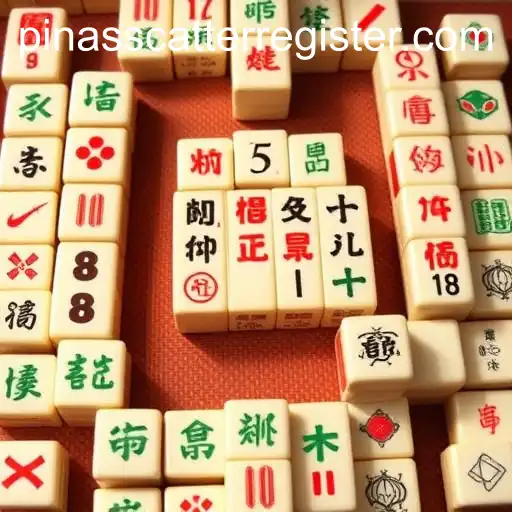

Mahjong, a tile-based game originating from China, has captured the hearts and minds of players around the globe. While it is often compared to Western card games such as rummy, Mahjong holds a unique place in both cultural and gaming landscapes. With its intricate game mechanics, including the symbolic use of tiles, and deep cultural ties, Mahjong is not merely a pastime but an aspect of cultural heritage.
The precise origins of Mahjong are shrouded in mystery, surrounded by myths and legends. Some historians suggest that the game dates back to the Qing Dynasty, while others claim it is even older, with roots reaching into ancient Chinese history. Mahjong may have evolved from various card games played across dynasties, incorporating elements of gaming that Chinese nobles partook in during leisure.
According to some legends, Mahjong was invented by Confucius himself and features a rich tapestry of history intertwined with philosophy. However, regardless of its true origins, the fact remains that Mahjong has steadfastly withstood the test of time, maintaining its core structure while allowing for variations that have diversified into numerous styles.
At its core, Mahjong is a game of skill, luck, and strategy. It is typically played by four players, utilizing a set of 144 tiles decorated with Chinese characters and symbols. The primary objective is to form specific tile combinations and achieve Mahjong, a condition that allows a player to win the round.
Each game is a complex interplay of drawing and discarding tiles, matching and strategizing. Players must stay vigilant, anticipating opponents' moves while optimizing their own. What sets Mahjong apart is its reliance on visual memory and alertness, making it an engaging experience that stimulates cognitive faculties.
As Mahjong spread worldwide, it adopted various forms and rules, creating distinct versions such as Japanese Riichi Mahjong, American Mahjong, and the competitive style adopted by the World Mahjong Organization.
Japanese Riichi Mahjong places a strong emphasis on strategy and hidden hands, adding a layer of complexity with specific scoring systems. In contrast, American Mahjong, popularized in Jewish communities in the United States, uses unique tiles like Jokers and card-based scoring techniques, which highlight cultural adaptation and integration.
These international variations underscore Mahjong's universality and flexibility as a game. Despite their differences, they remain rooted in the primary principles of traditional Chinese Mahjong, celebrating both diversity and unity.
The pinascatter of technology revolutionized how Mahjong is played, transitioning from physical sets to digital platforms. Online Mahjong retains all core mechanics but provides global access, allowing individuals to experience various styles with the click of a button.
Digital platforms guide beginners and foster an environment where veterans can refine their skills. Through mobile apps and international tournaments, Mahjong has found new audiences, often incorporating social features that reimagine the communal aspects of traditional Mahjong gatherings.
The cultural impact of Mahjong cannot be overstated. In many households, it is more than a game; it's a social affair. Families gather around Mahjong tables during festive seasons, strengthening bonds and fostering a sense of shared cultural identity. Mahjong's cultural resonance even extends into mediums such as film and literature, where it's often depicted as a bridge between generations.
The tile designs themselves act as cultural artifacts, each bearing significance and aesthetic value derived from Chinese history and tradition. The bamboo, character, and circle tiles symbolize various elements that contribute to Mahjong's intricate beauty, further solidifying its cultural importance.
Through the ages, Mahjong has transformed from a cloistered pastime of nobility into a global gaming phenomenon. Its complexity, cultural ties, and adaptability continue to captivate players from all walks of life. As Mahjong enters new territories and technologies, it invites us to explore both a storied pastime and an ongoing cultural conversation.

Dive into the exciting realm of OnePunchMan with the immersive game mode PINASSCATTER, featuring dynamic gameplay and innovative rules.

Explore the captivating universe of GemSaviourSword and its innovative gameplay mechanics. Uncover its unique features and learn how recent events have shaped the gaming experience.

Delve into the vibrant world of FruitNovaSuper100, a game that combines classic fruit-themed gaming with modern twists. Learn about its features, rules, and the allure of its PINASSCATTER mechanic.

Explore the thrilling world of GoHighSafari, a dynamic game that combines strategy, adventure, and real-world challenges within a captivating savannah environment. Dive into the game's intricacies and uncover the rules while relating them to current global events.

Dive into the immersive world of FreedomDay, a game that captivates with its innovative mechanics and the intriguing PINASSCATTER rule, set against a backdrop of current global events.

Dive into the vibrant world of 3FruitsWin, a thrilling game combining classic fruit slot elements with innovative features like the PINASSCATTER. Discover gameplay dynamics and timely integrations.
